

Although relatively small, Bulgaria is one of the key markets in Southeastern Europe thanks to its high broadband and mobile internet penetration. Online retail is growing year-on-year, and performance-driven channels such as affiliate marketing are gaining importance.
Through the CJ.com platform, CJ VIVnetworks supports the expansion of both international and local eCommerce leaders—from brands like Notino, Tefal, and Philips to Bulgarian players such as Store.bg and Alleop. Our goal is to inspire and educate the local community, bring best practices from Western Europe, and share insights about the Bulgarian market with global brands considering regional expansion.
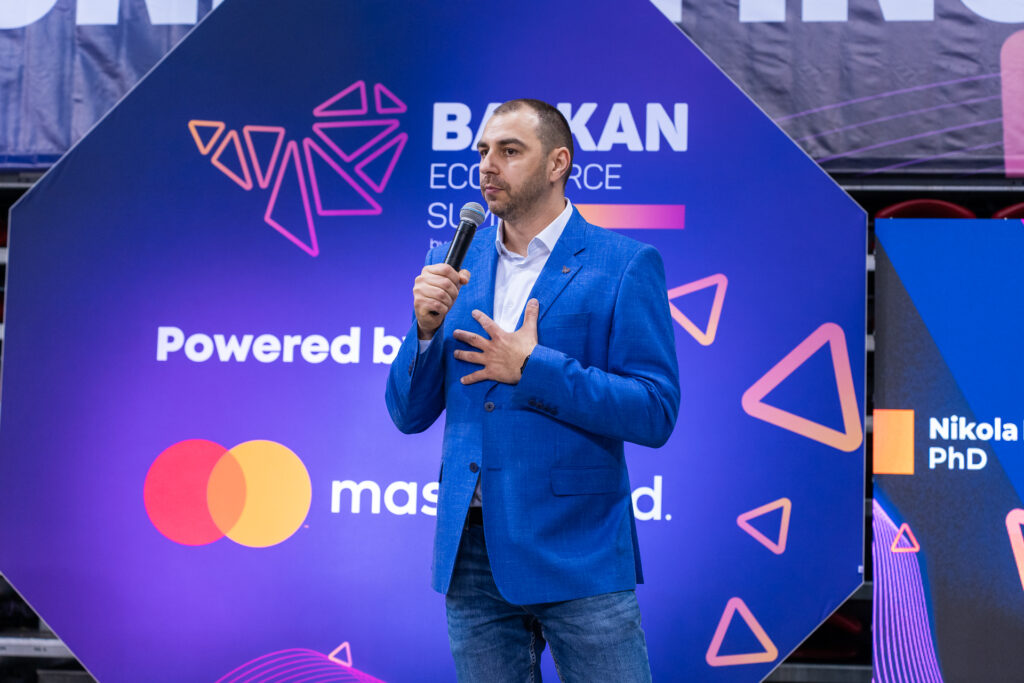
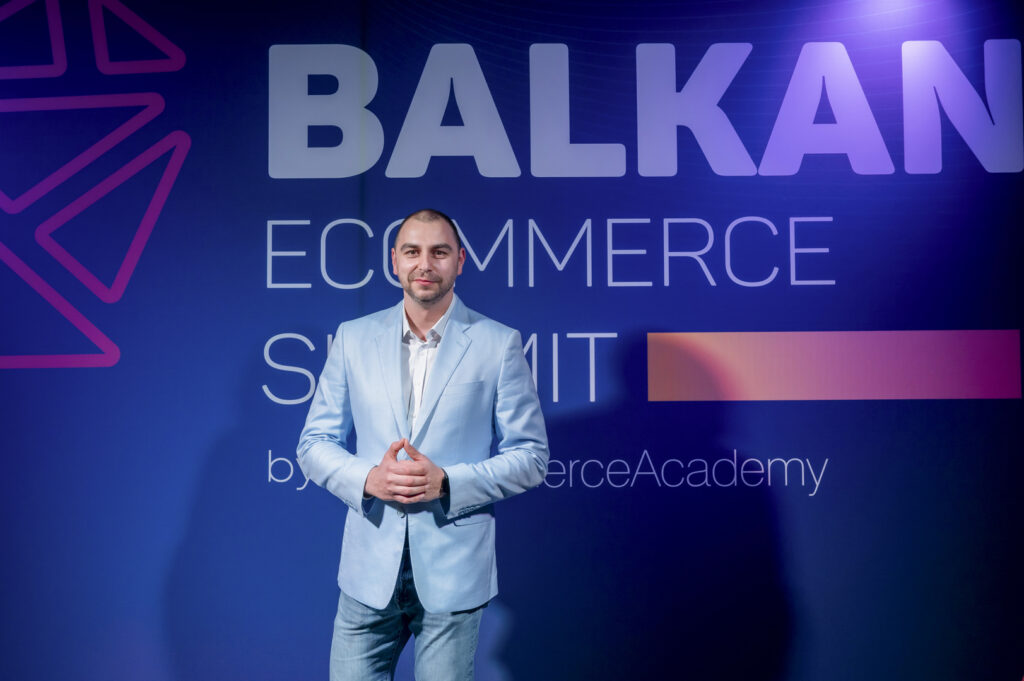
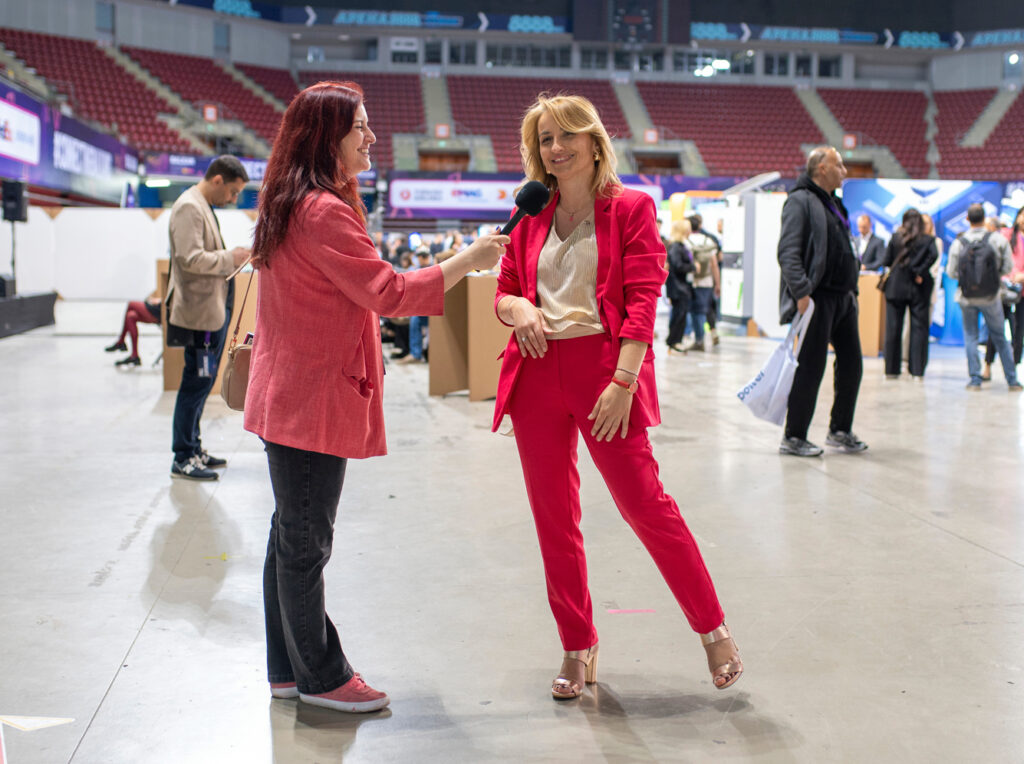
As part of this effort, we collaborate with leading figures in Bulgarian eCommerce. Nikola Ilchev, Founder of the Balkan eCommerce Summit, shares his view on the market’s potential, while Radostina Hristova, CEO of Radostna, provides expertise in influencer marketing. Local insights are complemented by Tzvetelina Mechkarova, Client Development Manager for Bulgaria, who brings over eight years of experience in affiliate marketing.
NIKOLA (Founder of the Balkan eCommerce Summit):
Please share with us your point of view on the development of ecommerce in Bulgaria
The Bulgarian eCommerce market has been growing steadily for more than seven years, maintaining double-digit year-over-year growth. Many expected a slowdown after the COVID period, but the opposite happened. It actually accelerated digital adoption. Consumers became more confident in online shopping, and for many, the Internet is now the first place they search when they need a product or service.
According to our latest survey in Bulgaria, conducted by Balkan eCommerce Summit, over 57% of online merchants report between 5% and 20% growth in local sales during the first nine months of 2025 compared to the same period in 2024. 30% of them report more than 20% increase. This shows that the market continues to expand and mature, despite rising competition. The increased presence of international players only pushes local businesses to innovate, communicate better, and strengthen their brands.
Another strong trend is cross-border expansion. More Bulgarian companies are successfully entering neighboring markets such as Romania, Greece, Hungary, and Poland, while global platforms like Amazon, and the ones from CEE, are increasingly becoming a channel for Bulgarian products. All these developments indicate that Bulgarian eCommerce is not only growing, but it’s becoming more confident, regional, and competitive than ever before.
How do you see the ecommerce in comparison to other countries in the region – Romania, Greece, Serbia etc.? What makes the Bulgarian e-commerce market unique compared to other markets in the region, like Romania or Greece?
Bulgaria is in a very fortunate position. Even though our market is relatively small, we are surrounded by larger and more dynamic ones such as Romania, which is often seen as the regional leader and one of the most competitive eCommerce markets in Central and Eastern Europe. This gives us the advantage to learn from their experience, build partnerships, and expand our presence across borders.
What makes Bulgaria unique is its geography. We are directly connected not only to EU neighbors like Greece and Romania but also to Turkey and the Western Balkans. Markets that are outside the EU but extremely interesting for different reasons. Turkey is a production powerhouse with countless factories and unique products, while the Western Balkan markets are eager to adopt new practices and technologies from more mature eCommerce ecosystems like ours.
For a long time, the Balkans were seen as an underdeveloped region, but this perception is changing fast. Today, Southeast Europe has become a “hot zone” for many CEE and Western European companies that are looking for new opportunities outside their oversaturated home markets dominated by giants like Amazon. In this sense, Bulgaria is perfectly positioned, open, adaptive, and ready to grow beyond its borders.
Why should eshop owners expand to Bulgaria? Can you share some hints on what to focus on? Can you recommend some tips and/or contacts to eshops who can help them with expansion?
Bulgaria is one of the most dynamic and fast-developing eCommerce markets in Southeast Europe. We have a digital-savvy population, strong logistics infrastructure, and one of the highest broadband and mobile internet penetration rates in the region. The competition is still moderate compared to Western Europe, and the cost of entry, from marketing to logistics, is significantly lower.
Foreign merchants entering Bulgaria should focus on proper localization: local language content, customer support in Bulgarian, familiar payment methods, and fast delivery options. Consumers here value trust and clear communication, so adapting to local expectations always pays off.
Building the right local partnerships is key. Working with experienced fulfillment providers, payment gateways, and marketing agencies that know the Bulgarian audience makes all the difference. There’s a growing ecosystem of professionals and companies ready to help new entrants. Platforms like eCommerce Academy and events such as the Balkan eCommerce Summit are perfect places to connect, learn, and find the right partners. There they can meet with local marketplaces such as eMAG, or big players they can collaborate with – Ozone, Alleop, Technomarket, Store Bulgaria, etc.
What are some obstacles and issues that the ecommerce players might be facing in Bulgaria? Are there any regulatory challenges that affect the e-commerce industry in Bulgaria specifically?
The biggest challenges are similar to those in other developing markets. Limited automation, uneven logistics coverage in smaller towns, and the ongoing need for digital education among traditional businesses. From a regulatory point of view, Bulgaria follows EU directives closely, so there are no major local barriers. However, administrative procedures can sometimes be slower, especially for companies without a local entity or representative.
One thing that often surprises foreign eCommerce businesses is the dominance of Cash on Delivery (COD). It still represents a large share of all online payments for physical goods. In addition, local courier companies offer a service called “test before payment,” which allows customers to open and inspect the product before paying. This gives consumers an unusual level of control over the transaction, but it also requires merchants to adapt their processes, inventory, and customer communication to handle returns efficiently.
What is a common misunderstanding that foreign e-commerce businesses have when entering our market? What methods do they think will work universally, but do not apply here?
Many foreign eCommerce companies assume that what works in Western Europe or even Romania will work the same way in Bulgaria, but that’s rarely true. Bulgarian consumers are price-sensitive, yet they value trust and long-term relationships. Flashy campaigns or overly polished messages don’t perform well here. What works is a personal, honest approach combined with fast and human customer service. This is a market where authenticity consistently beats automation.
Depending on the type of products they sell, brands need to adapt both their marketing messages and the channels they use to deliver them. Some communication platforms, especially messaging apps, perform much better here than in other parts of the world. Understanding and using these local habits is key to building a successful eCommerce presence in Bulgaria.What do you see as the biggest advantage of our e-commerce market?
Our flexibility and adaptability. Bulgarian businesses move fast, test fast, and learn fast. The ecosystem is small enough for quick decision-making but big enough to scale. And being at the crossroads of the EU, the Balkans, and Turkey gives us a natural bridge position. We can sell both east and west, north and south, without barriers. That’s a serious advantage few markets can match.
.

RADOSTINA (CEO of Radostna, expertise in influencer marketing):
How has affiliate marketing evolved in Bulgaria over the past few years?
Affiliate marketing in Bulgaria has grown from being a niche performance channel into a mainstream strategic tool for e-commerce growth. Over the last three years, we’ve seen a clear professionalisation of the market — with better tracking technologies, stronger partnerships, and, most importantly, a much higher level of awareness and knowledge among both brands and publishers.
New players have entered the scene, bringing innovation and competitiveness to the affiliate landscape. Many Bulgarian companies have also started developing their own affiliate programs, while others prefer to work with well-established platforms like VIV Networks, especially when they operate in multiple markets. This cross-border trust and technical infrastructure make scaling much easier for regional brands. And it offers a cost-effective solution for brands.
What was once dominated by cashback and coupon sites is now a diverse ecosystem that includes niche publishers, review sites, and content creators who understand performance-based marketing. Today, affiliate marketing in Bulgaria is not just about traffic and conversions — it’s about storytelling, trust, and long-term brand advocacy.
What role do social media and influencers play in the Bulgarian e-commerce landscape?
Social media and influencers are now a practical driver of awareness and trust in the Bulgarian market. Consumers here base their buying decisions on real recommendations, not just ads — they want to see proof, reviews, and authentic experiences.
In our campaigns, influencer-led affiliate partnerships consistently deliver measurable results — not just clicks, but actual sales, especially in beauty, lifestyle, and fashion.
Budgets for digital and influencer marketing in Bulgaria are rising steadily every year, with double-digit growth percentages, as more brands recognise their direct impact on conversions and brand loyalty.
The most effective approach is to connect performance models with authentic content. When creators share real experiences and integrate links naturally, affiliate campaigns become both credible and profitable.
How important is local culture when creating marketing strategies for the Bulgarian market?
Extremely important. Bulgarian audiences value personal connection, probably Balkan humour, and trust. Campaigns that feel too “corporate” or too “Western” often fail to engage.
Localisation is more than translation — it’s cultural adaptation. Brands that succeed here invest in local creators, use relatable visuals and language, and understand our consumer habits: the power of word-of-mouth, emotional appeal, and family influence. Balkan eCommerce Summit is a great example of how cross-border knowledge can drive growth — helping brands understand and adapt to the specifics of each Balkan market, working alongside local professionals who truly know their audiences and business culture, while keeping a consistent and authentic brand voice.
What is a request from an advertiser (brand) that surprised you the most? Were you able to fulfill their request?
We’ve had many interesting challenges, but two campaigns really stand out.
The first came from a private hospital that wanted to promote its surgical services — a topic that requires both sensitivity and trust. Surprisingly, we found several influencers who were personally planning medical procedures and agreed to document their real-time experience.
The second case involved a brand offering future mom products, targeting women in their 7th to 9th month of pregnancy. It was a very narrow audience and we had only a few days to act. Despite the short timeframe, we managed to organize and launch the entire campaign quickly, selecting creators who could speak from real experience and connect emotionally with expecting mothers.
Both projects proved that even the most specific or time-sensitive campaigns can succeed when there’s creativity, precision, and a trusted influencer network behind them.
Share with us how you can help beginning publishers and influencers.
At Radostna Ltd, together with VIV Networks, we focus on educating creators about the value of affiliate marketing and involving them in real campaigns where they gain practical experience and measurable results. The goal is to help them grow while creating meaningful content.
Through these collaborations, influencers learn how performance-based monetization works and how to build trust with their audiences, while publishers discover new communication channels and partnerships that boost reach and conversions.
The Balkan eCommerce Summit also plays a key role — it educates publishers, helps them connect with affiliate platforms and influencers, and gives them visibility and exposure through our events and panels.
Our focus remains on growth, collaboration, and transparency — connecting publishers, influencers, and brands across the region.
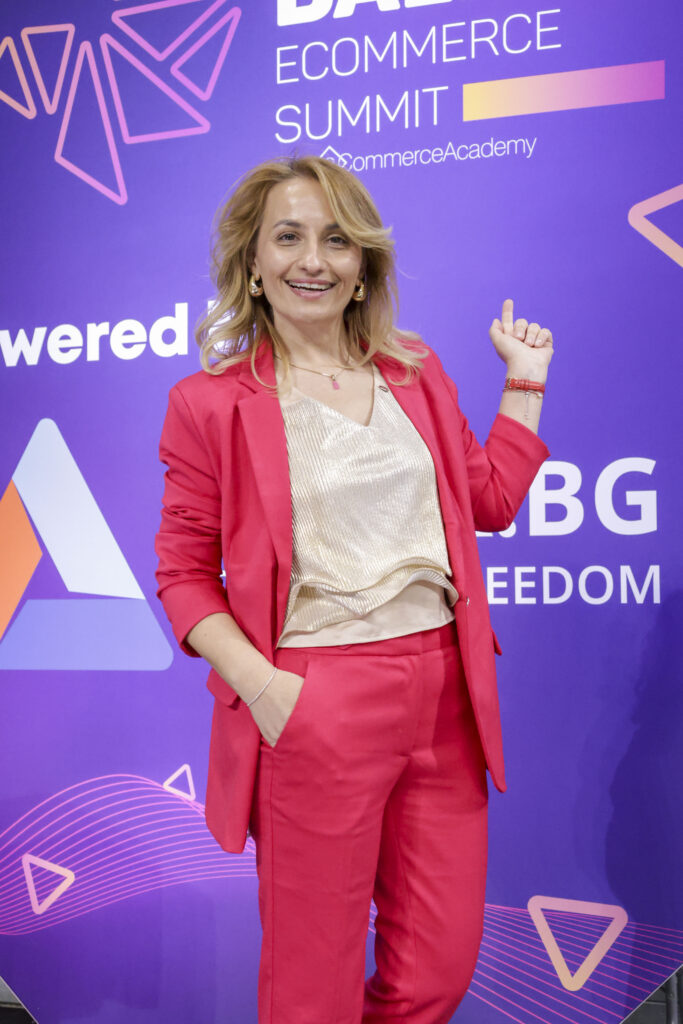
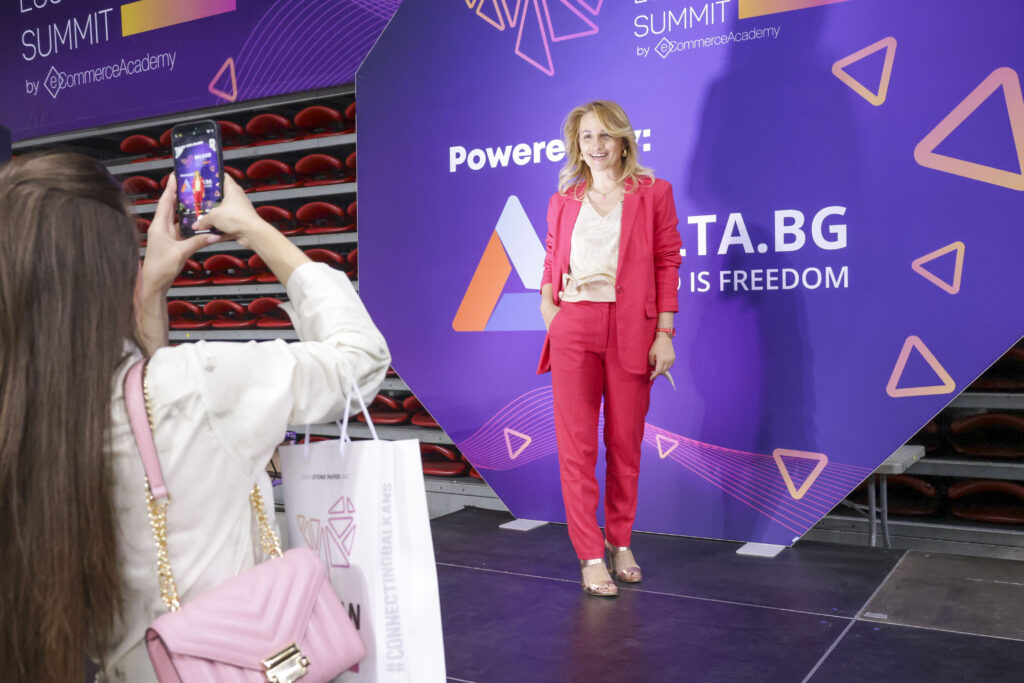
TZVETELINA (Client Development Manager for Bulgaria):
Tzvetelina, would you like to add anything about affiliate marketing from your side as a network?
Actually, Radostina covered many points and topics that are relevant and that my colleagues and I deal with daily in our work on boosting performance and sales for our clients and advertisers. Where I see a direct comparison with other markets is that Bulgaria is emerging fast, but affiliate marketing is still quite at the beginning of the journey. Our technology, CJ.com, allows publishers to scale with many others and to create a profitable platform where the focus is mainly on revenue and profit. Many brands don’t distinguish between coupons and cashbacks, thinking that cashback is about discounts – on the contrary, the customer buys for the full price 🙂. The same logic applies to loyalty programs and many other opportunities, which are sometimes overlooked due to a lack of understanding.
Another difference I see is that companies hardly measure and differentiate between NEW and EXISTING customers. Sometimes they don’t even measure it in their performance channels. This is a standard in affiliate marketing in the Western e-commerce world, and thanks to CJ, we can bring such solutions to Bulgaria as well. Lastly, tracking in mobile applications is becoming a massive contributor to affiliate performance. When Bulgarian brands start creating their own apps, our solution is ready for them. It’s a pity they don’t use this opportunity more because Bulgaria and Romania have had a large volume of mobile traffic for years; they were ahead of other countries in that area.
What else differentiates the local scene and local content creators from the international environment?
Several companies – mainly technological publishers, can work across borders and/or are not limited to the local language. They provide solutions that either attract customers to the website or ensure that the customer does not leave and stays longer, with several focusing on closing the order to ensure that the customer, for whom brands usually pay a lot of money to attract, also converts.
CJ, as a world-leading affiliate platform, works with industry leaders who focus on such things. Sometimes we face the issue that local brands refuse to work with a company originally from Germany, for example. They don’t believe that these publishers will bring conversions, since they don’t know the Bulgarian market. On the contrary, they are experts in this across many countries, and their solution will work in Bulgaria as well.
Where do you see the biggest potential for affiliate marketing to grow in the future?
As Radostina mentioned, in content creators and influencer marketing. CJ is expanding with TikTok, which is currently available in several countries in Europe already (the main country is currently the USA). Moreover, Google Shopping is still not available in Bulgaria. It is the most effective model in other markets, and we are looking forward to the success it will bring.